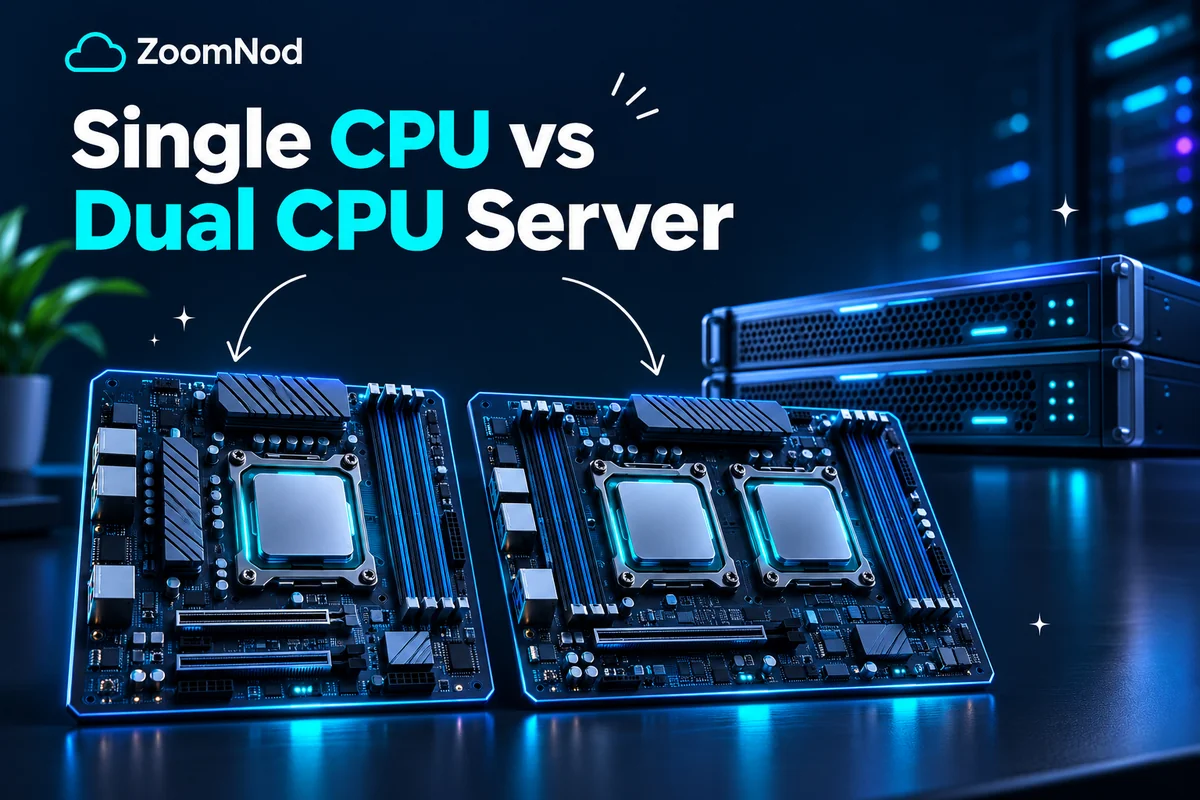
Two processor sockets do not automatically double application speed. Memory locality, software licensing, parallelism and total ownership cost determine whether dual-socket hardware is worthwhile.
Quick answer and buying criteria
The central acceptance criterion: hardware capacity matches observed workload needs without expensive idle cores or avoidable memory bottlenecks. If the product cannot meet it with your real configuration, a cheaper price or larger feature list is not sufficient reason to buy. A one-hour proof of concept can be more informative than a week of reading provider advertising.
| Evaluation area | What to establish before purchase |
|---|---|
| Understand sockets versus cores | Compare sockets, physical cores, threads, clock speed, cache and platform generation. |
| Measure parallel scalability | Benchmark your actual application with controlled concurrency increases. |
| Account for NUMA behavior | Review NUMA topology and place memory-sensitive workloads deliberately where appropriate. |
| Consider memory capacity and channels | Size for real memory working sets, bandwidth and expansion needs. |
| Check software licensing | Model license costs before choosing the number of physical CPUs. |
| Assess power and cooling | Compare power limits, idle consumption and hosting rack or colocation charges. |
| Plan reliability and component complexity | Separate redundancy planning from core count and define failover or restore requirements. |
| Compare storage and network bottlenecks | Profile end-to-end resource consumption before spending on another socket. |
| Choose workloads that justify dual sockets | Map each workload to core, memory and I/O requirements and calculate consolidation benefits. |
| Evaluate modern single-socket alternatives | Compare current-generation hardware under equivalent application tests and contractual terms. |
1. Understand sockets versus cores
A CPU socket is a physical processor interface, not a synonym for one logical processor or vCPU. Reliability includes behavior during upgrades, restarts and missing dependencies. Define the normal state and the safe fallback before adding complexity to the deployment. For IT buyers, virtualization administrators and dedicated-server architects, this needs to support a physical dedicated server used for databases, virtualization or parallel workloads without undermining the main outcome. A helpful design decision has a clear reason and can be explained to the next person who maintains the system.
Practical approach
Compare sockets, physical cores, threads, clock speed, cache and platform generation. Write down the responsible operator and expected maintenance cadence. A correct technical setting that nobody checks can become a hidden risk after product upgrades.
Validation and acceptance
Inspect actual hardware topology and application CPU utilization. Define the acceptable limit before running the test. Otherwise, impressions such as fast enough or generally reliable cannot be compared objectively.
Failure modes to avoid
Comparing one old dual-socket host with a modern single-socket server obscures architectural differences. Look for the recurring cost of the decision, including licensing, storage, backups and operator attention. A low opening price can hide material long-term expense.
2. Measure parallel scalability
Applications benefit from more cores only when they can parallelize work effectively. Requirements become useful only when they can be observed in a running system. Translate this issue into a specific condition that an administrator can test, and include the context that could cause it to change. For IT buyers, virtualization administrators and dedicated-server architects, this needs to support a physical dedicated server used for databases, virtualization or parallel workloads without undermining the main outcome. A helpful design decision has a clear reason and can be explained to the next person who maintains the system.
Practical approach
Benchmark your actual application with controlled concurrency increases. Compare the effect on users, not just the system console. A configuration that looks healthy locally can still fail through DNS, certificates, service limits or upstream integrations.
Validation and acceptance
Graph throughput and response time as usable cores rise. Repeat the test after restarting the service and after applying a noncritical update in staging. First-launch success does not establish a repeatable deployment.
Failure modes to avoid
A serial bottleneck can leave the second processor mostly idle. Distinguish a technical limitation from a configuration error before increasing resources. Scaling the VM will not resolve a missing permission or incompatible image.
3. Account for NUMA behavior
Multi-socket systems often have non-uniform memory access, so locality can affect performance. A hosting feature can look attractive in isolation while creating extra operational burden. Distinguish the minimum requirement from optional convenience, then assign a person who owns its maintenance. For IT buyers, virtualization administrators and dedicated-server architects, this needs to support a physical dedicated server used for databases, virtualization or parallel workloads without undermining the main outcome. A helpful design decision has a clear reason and can be explained to the next person who maintains the system.
Practical approach
Review NUMA topology and place memory-sensitive workloads deliberately where appropriate. Create a checklist for this step and keep the exact settings with your deployment notes. When two options appear equivalent, prefer the one that is easier to explain, test and restore.
Validation and acceptance
Observe remote memory access and latency under production-like loads. Use at least one negative test: an invalid credential, unavailable endpoint or simulated restart. A robust service should fail visibly rather than silently losing work.
Failure modes to avoid
Ignoring memory locality can reduce the benefit of added cores. Schedule a short review after real usage begins. Some issues remain invisible in staging until traffic, data volume or team size changes.
4. Consider memory capacity and channels
Dual-socket platforms can provide additional memory capacity and channels, but modern single-socket systems also support large RAM configurations. Treat this choice as part of a larger service, not simply a virtual-machine specification. Application dependencies, human procedures and data recovery can dominate the practical outcome. For IT buyers, virtualization administrators and dedicated-server architects, this needs to support a physical dedicated server used for databases, virtualization or parallel workloads without undermining the main outcome. A helpful design decision has a clear reason and can be explained to the next person who maintains the system.
Practical approach
Size for real memory working sets, bandwidth and expansion needs. Make the smallest change needed to satisfy the requirement; then measure. Additional features increase the number of components your team needs to patch, monitor and understand.
Validation and acceptance
Benchmark memory-heavy tasks and monitor page faults or swap activity. Record a timestamped outcome and the exact environment. This is useful when comparing providers, troubleshooting a regression or explaining why a change was made.
Failure modes to avoid
Buying a second socket merely for perceived RAM capacity can be unnecessary. When uncertain, do not apply the change directly to a sensitive production system. Reproduce the problem in a disposable environment and keep a clear rollback path.
5. Check software licensing
Databases, virtualization platforms and other enterprise software may license per core or socket. Start with a small, reversible experiment and keep the result. A documented trial helps you compare other implementations fairly and prevents decisions from being based solely on marketing material. For IT buyers, virtualization administrators and dedicated-server architects, this needs to support a physical dedicated server used for databases, virtualization or parallel workloads without undermining the main outcome. A helpful design decision has a clear reason and can be explained to the next person who maintains the system.
Practical approach
Model license costs before choosing the number of physical CPUs. Run configuration changes through staging first. Save an export or snapshot where appropriate, but do not assume it replaces a complete application-consistent backup.
Validation and acceptance
Request vendor quotes tied to the exact hardware configuration. Combine application-level checks with host metrics. CPU, RAM and disk numbers help explain failures but are not substitutes for an end-to-end acceptance test.
Failure modes to avoid
Hardware savings can be overwhelmed by licensing rules. Check what is included in the hosting support agreement. Many vendors will assist with hypervisor or network faults but not debug third-party applications.
6. Assess power and cooling
A second socket increases platform power demand and may require more cooling infrastructure. Reliability includes behavior during upgrades, restarts and missing dependencies. Define the normal state and the safe fallback before adding complexity to the deployment. For IT buyers, virtualization administrators and dedicated-server architects, this needs to support a physical dedicated server used for databases, virtualization or parallel workloads without undermining the main outcome. A helpful design decision has a clear reason and can be explained to the next person who maintains the system.
Practical approach
Compare power limits, idle consumption and hosting rack or colocation charges. Write down the responsible operator and expected maintenance cadence. A correct technical setting that nobody checks can become a hidden risk after product upgrades.
Validation and acceptance
Record total-system energy use rather than CPU TDP alone. Define the acceptable limit before running the test. Otherwise, impressions such as fast enough or generally reliable cannot be compared objectively.
Failure modes to avoid
A high-core system used lightly can be inefficient over its service life. Look for the recurring cost of the decision, including licensing, storage, backups and operator attention. A low opening price can hide material long-term expense.
7. Plan reliability and component complexity
More processors do not create automatic high availability because the server is still one physical machine. Requirements become useful only when they can be observed in a running system. Translate this issue into a specific condition that an administrator can test, and include the context that could cause it to change. For IT buyers, virtualization administrators and dedicated-server architects, this needs to support a physical dedicated server used for databases, virtualization or parallel workloads without undermining the main outcome. A helpful design decision has a clear reason and can be explained to the next person who maintains the system.
Practical approach
Separate redundancy planning from core count and define failover or restore requirements. Compare the effect on users, not just the system console. A configuration that looks healthy locally can still fail through DNS, certificates, service limits or upstream integrations.
Validation and acceptance
Simulate a host failure and verify that workloads can recover elsewhere. Repeat the test after restarting the service and after applying a noncritical update in staging. First-launch success does not establish a repeatable deployment.
Failure modes to avoid
One dual-socket server is not equivalent to two independent hosts. Distinguish a technical limitation from a configuration error before increasing resources. Scaling the VM will not resolve a missing permission or incompatible image.
8. Compare storage and network bottlenecks
An application may be limited by disks, database locks or network latency rather than CPU. A hosting feature can look attractive in isolation while creating extra operational burden. Distinguish the minimum requirement from optional convenience, then assign a person who owns its maintenance. For IT buyers, virtualization administrators and dedicated-server architects, this needs to support a physical dedicated server used for databases, virtualization or parallel workloads without undermining the main outcome. A helpful design decision has a clear reason and can be explained to the next person who maintains the system.
Practical approach
Profile end-to-end resource consumption before spending on another socket. Create a checklist for this step and keep the exact settings with your deployment notes. When two options appear equivalent, prefer the one that is easier to explain, test and restore.
Validation and acceptance
Repeat representative load tests after isolating I/O constraints. Use at least one negative test: an invalid credential, unavailable endpoint or simulated restart. A robust service should fail visibly rather than silently losing work.
Failure modes to avoid
More compute cannot fix saturated disks or slow external API calls. Schedule a short review after real usage begins. Some issues remain invisible in staging until traffic, data volume or team size changes.
9. Choose workloads that justify dual sockets
Large virtualization density, memory-heavy analytics and highly parallel processing can favor more sockets. Treat this choice as part of a larger service, not simply a virtual-machine specification. Application dependencies, human procedures and data recovery can dominate the practical outcome. For IT buyers, virtualization administrators and dedicated-server architects, this needs to support a physical dedicated server used for databases, virtualization or parallel workloads without undermining the main outcome. A helpful design decision has a clear reason and can be explained to the next person who maintains the system.
Practical approach
Map each workload to core, memory and I/O requirements and calculate consolidation benefits. Make the smallest change needed to satisfy the requirement; then measure. Additional features increase the number of components your team needs to patch, monitor and understand.
Validation and acceptance
Estimate VM density under normal and peak utilization. Record a timestamped outcome and the exact environment. This is useful when comparing providers, troubleshooting a regression or explaining why a change was made.
Failure modes to avoid
The most capable server on paper may not offer the best cost per workload. When uncertain, do not apply the change directly to a sensitive production system. Reproduce the problem in a disposable environment and keep a clear rollback path.
10. Evaluate modern single-socket alternatives
Newer high-core CPUs and platform improvements can replace older dual-socket systems efficiently. Start with a small, reversible experiment and keep the result. A documented trial helps you compare other implementations fairly and prevents decisions from being based solely on marketing material. For IT buyers, virtualization administrators and dedicated-server architects, this needs to support a physical dedicated server used for databases, virtualization or parallel workloads without undermining the main outcome. A helpful design decision has a clear reason and can be explained to the next person who maintains the system.
Practical approach
Compare current-generation hardware under equivalent application tests and contractual terms. Run configuration changes through staging first. Save an export or snapshot where appropriate, but do not assume it replaces a complete application-consistent backup.
Validation and acceptance
Record cost per completed job and tail latency for each option. Combine application-level checks with host metrics. CPU, RAM and disk numbers help explain failures but are not substitutes for an end-to-end acceptance test.
Failure modes to avoid
Counting sockets without considering architecture generation leads to poor purchasing decisions. Check what is included in the hosting support agreement. Many vendors will assist with hypervisor or network faults but not debug third-party applications.
Example evaluation process for a real VPS
Consider a team that needs a physical dedicated server used for databases, virtualization or parallel workloads. First, list functional requirements and separate them from optional upgrades. Choose two plausible hosting approaches with comparable hardware and a provider location that makes sense for users and dependencies. Install the supported software versions, configure access restrictions and establish a reproducible basic test. Record whether hardware capacity matches observed workload needs without expensive idle cores or avoidable memory bottlenecks. Then repeat under a controlled busy period and document any degradation.
Security, backups and maintenance checklist
- Document service ownership, administrator identities and the permitted access surface.
- Protect SSH or remote administration with appropriate authentication and access controls.
- Choose current supported software releases and a practical patch cadence.
- Keep private credentials out of public code, images and diagnostic screenshots.
- Configure firewall rules that permit only the specific application ports required.
- Record application version, configuration, database and persistent-volume requirements.
- Back up all state that would be expensive or impossible to reconstruct.
- Restore the data to a clean staging instance and verify its usability.
- Monitor service health, disk consumption, memory pressure and relevant user outcomes.
- Budget for renewal, data transfer, support and a plausible growth scenario.
- Plan a maintenance window, user notification and rollback process for upgrades.
- Review the deployment after real use rather than assuming the first configuration is permanent.
What makes a cost comparison trustworthy?
For a physical dedicated server used for databases, virtualization or parallel workloads, the meaningful cost is the amount you pay to operate a dependable service, not the promotional monthly banner. Record the VM specification, region, CPU policy, storage, licensing, backups, reserved addresses, transfer allowances, support tier and renewal rate for each candidate. Then add the time required to keep it secure and recoverable. Underutilized resources are wasted spend, but an undersized system can create much larger losses through missed work or lengthy downtime.
Related ZoomNod guides
For complementary implementation details, read dedicated server buying guide; server CPU selection guide; dedicated server pricing; server motherboard buying factors. These links connect the current decision with adjacent topics such as virtual machine compatibility, backups, networking, application hosting and security. Use them when that related subject becomes relevant rather than replacing this guide’s specific acceptance criteria.
Frequently asked questions
When is a second CPU socket likely to help?
A second socket can help workloads that use more cores or memory channels effectively, provided their processes and memory are placed sensibly. Benchmark the actual workload at the concurrency you expect and check NUMA behavior alongside total throughput.
Can a single socket be faster for a busy database?
It can be when the workload is sensitive to memory latency or depends on a small number of fast threads. Compare query throughput and tail latency with the same data set, memory capacity, and storage before drawing a conclusion from core counts.
How do I test for NUMA effects?
Record the server’s NUMA topology and compare a default run with a run where processes and memory are kept local where practical. Collect throughput, response time, and memory locality. Keep the configuration that works under realistic concurrency.
What should I compare beyond the hardware price?
Check per socket or per core software licensing, power, rack space, and the cost of memory and storage configurations. Include any tuning and maintenance work your team will need. A configuration that wins a benchmark may cost more to run.
What if I only need more memory capacity?
Compare the actual DIMM capacity and supported memory configuration of each platform. A second socket may make sense for the memory channels or slots it adds, even if CPU utilization is modest. Check that the operating system and application can use the extra memory with acceptable latency.
Should I compare peak throughput alone?
Track tail latency and performance consistency too. A server can finish more requests overall while responding more slowly to a portion of them. Measure both during realistic load before deciding whether the second socket improves the service.
Sources
Recommendation
Choose the smallest socket count that meets your workload’s throughput, latency, memory, and expansion requirements. Test a two socket server when the extra cores or memory channels may matter, and record NUMA behavior. Include software licensing and power before deciding whether the capacity is worth its cost.